
 Tiéng ViêtVNTiéng ViêtVN
As October brings its signature golden tones and shorter days, lighting does more than brighten our physical surroundings—it shapes safety, comfort, and emotional well-being. Below, we break down the essential questions that define autumn lighting, from city streets to the spaces we call home.
Because the shift toward earlier sunsets alters both how much light we need and how we perceive it.
As daylight decreases, the human visual system becomes more sensitive to glare and contrast, making balanced, well-designed lighting crucial for comfort and safety.
Autumn’s softer natural light also creates a psychological preference for warmth and visual calm—something modern lighting design aims to enhance rather than disrupt.
With dusk arriving earlier, urban environments rely heavily on effective road lighting to maintain visibility and public safety.
Recent research shows that color temperature (CCT) and illuminance directly influence driver alertness and visual comfort.
Slightly warm or neutral lighting tones improve perception and reduce fatigue.
Smart-controlled LED systems adjust brightness based on traffic flow, weather, and ambient light, helping cities reduce energy consumption while keeping roads safe.
In autumn, well-tuned street lighting is not just functional—it supports smoother mobility and safer communities.
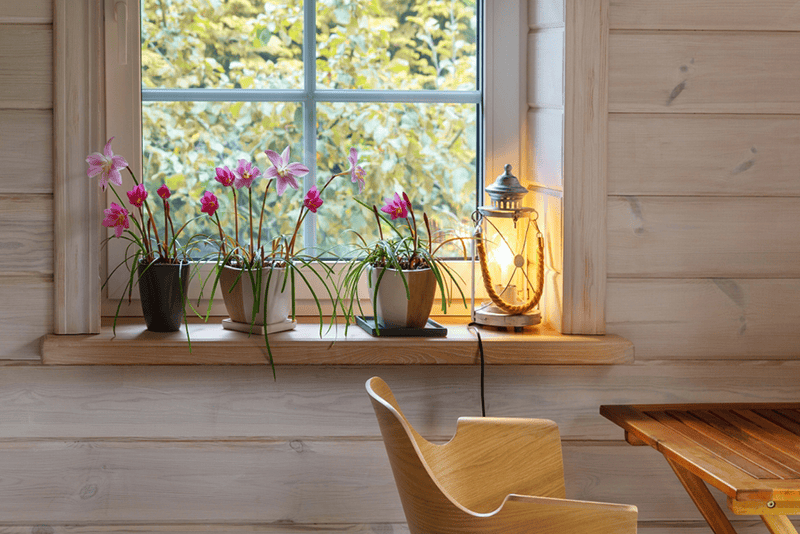
At home, lighting becomes a primary tool for maintaining well-being.
Studies indicate that warm color temperatures (~3300 K) combined with moderate illumination (~300 lx) can significantly improve visual comfort during prolonged activities.
This matters in autumn, when indoor routines—reading, cooking, relaxing—extend into the darker hours.
Adaptive LED lighting helps homeowners:
· Shift between functional brightness and warm, serene ambience
· Reduce eye strain in work or reading areas
· Create emotional warmth that aligns with the season’s slower rhythm
Whether in a contemporary kitchen or a mid-century inspired living room, lighting becomes a subtle but powerful mood setter.

Light in October is both technical and emotional.
It marks transitions—of seasons, routines, and the way we experience our environments. Warm tones echo the season’s calm, while thoughtful illumination fosters a sense of comfort and grounding.
Lighting reminds us that:
· The right CCT affects not just visibility, but how relaxed or alert we feel
· A carefully layered lighting plan can create a sense of home
· Light becomes part of seasonal well-being, not just design
Autumn shows that illumination isn’t only about brightness—it’s about atmosphere.
Modern lighting is increasingly defined by the intersection of:
· Energy efficiency (through LEDs and smart controls)
· Human-centric wellness (visual comfort, circadian alignment)
· Emotional experience (ambience, warmth, psychological calm)
As we enter the golden season, thoughtful lighting design ensures that each of these dimensions works together.
For deeper insight into how these elements shape modern illumination, explore our earlier article: “ Light, Energy, Comfort: The New Lighting Trinity. ”
Chen, Q., Pan, Z., Wu, J., & Xue, C. (2024). An investigation into the effects of correlated color temperature and illuminance of urban motor vehicle road lighting on driver alertness. Sensors, 24(15), 4927. https://doi.org/10.3390/s24154927
Fu, X., Feng, D., Jiang, X., & Wu, T. (2023). The effect of correlated color temperature and illumination level of LED lighting on visual comfort during sustained attention activities. Sustainability, 15(4), 3826. https://doi.org/10.3390/su15043826